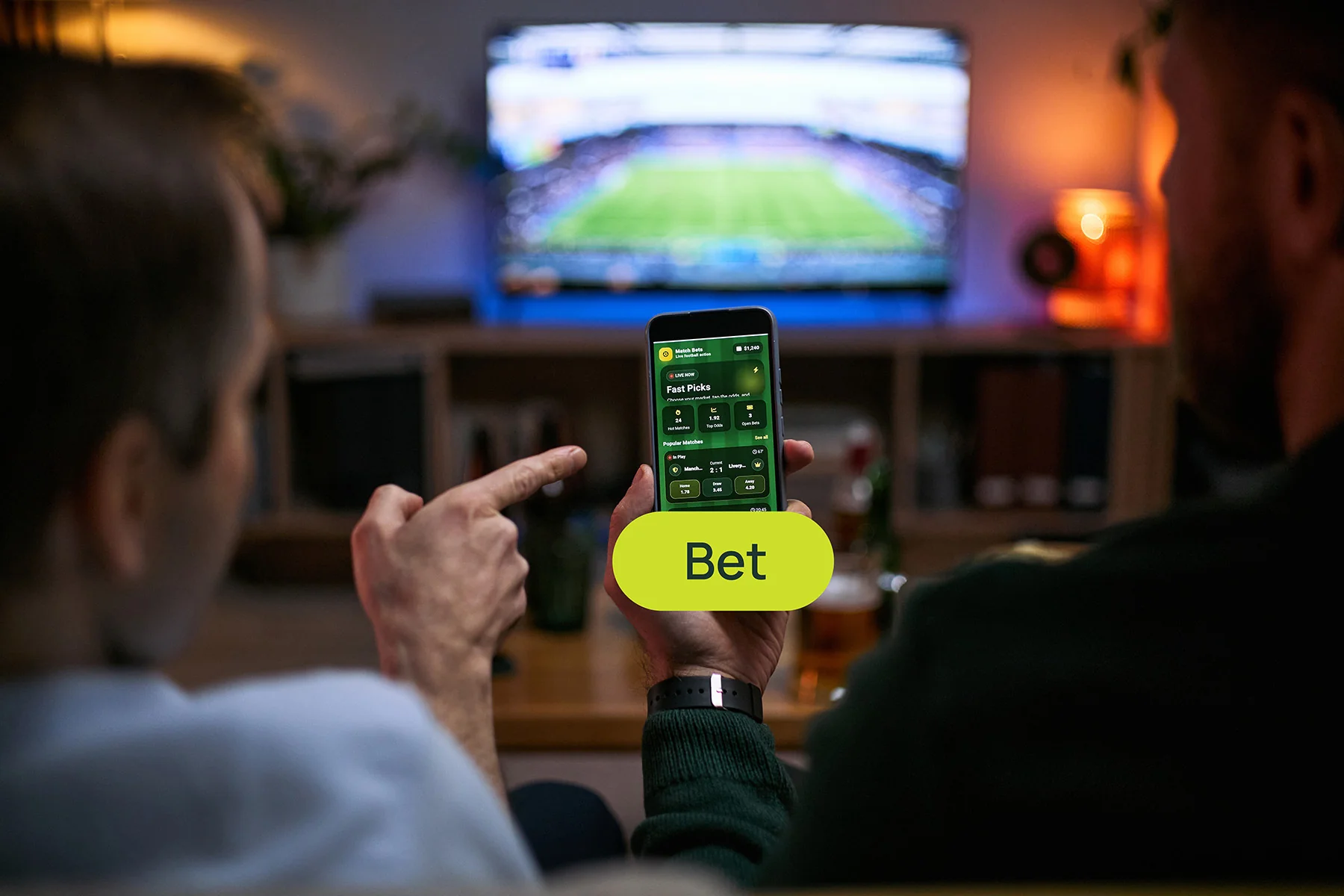
Sports betting and iGaming operators generate an enormous, ongoing stream of customer feedback every single day. Most of it never reaches a dashboard because it’s sitting in the app store.
Every time someone places a bet, checks a line, or cashes out, they’re one tap away from telling you exactly how that experience went. Most operators just aren’t set up to hear it.
A feedback channel most operators aren’t managing
Between wagers placed, odds checked, and balances topped off, bettors interact with sportsbook and casino apps constantly. And a lot of them leave a review on the way out. DraftKings’ sportsbook app has racked up roughly 269,000 reviews on Google Play alone. FanDuel’s sits closer to 386,000 reviews. That’s hundreds of thousands of users in a very public focus group, updated in real time.
That’s a huge amount of built-in customer insight. It also creates a clear opportunity. Purpose-built review management hasn’t kept pace with the volume, especially compared with industries like restaurants and hotels.
For sportsbook and iGaming operators, reviews are the next major feedback channel. Teams can track rating trends, identify common themes, and route feedback to the right people. That turns reviews into actionable insights instead of something teams read after the fact.
It’s also a timely moment to close that gap. Sportsbooks already invest heavily in acquiring a customer through promo codes, deposit matches, and referral bonuses, and just as much opportunity sits on the retention side, where that same customer’s unfiltered opinion is already sitting in a public feed, waiting to be put to work. The acquisition cost is tracked to the dollar. The feedback that determines whether that customer sticks around is often the easier win still on the table.
That’s the gap. And it’s a solvable one.
Not exactly “multi-location,” but the same blind spot
Most feedback strategies built for multi-location businesses assume physical locations like hotel chains, restaurant groups, or chains of theaters. Sportsbooks and iGaming platforms don’t have physical storefronts, but they face a similar challenge. They manage multiple brands or skins, state licenses, and app versions. Each may operate on a different timeline. Platforms like DraftKings and FanDuel are less like a single storefront and more like dozens of separate markets. Each one generates its own stream of reviews, ratings, and complaints.
Corporate teams in hotel or restaurant groups have learned to roll location-level feedback up into one view so nothing gets lost between property and headquarters. Sportsbook and iGaming operators are facing the exact same rollup problem, just organized around brand and jurisdiction instead of address.
What’s in the data
App reviews from bettors aren’t vague. They’re specific, in the moment, and often more candid than a post-session survey, because the person writing them just finished the exact experience they’re describing. Think:
- A withdrawal that took longer than expected
- A live-betting feed that lagged during a key play
- Confusion during account verification or know-your-customer (KYC) steps
- Praise for a smooth cash-out or a well-timed promo
Each of those is a signal. Strung together across thousands of reviews, they’re a pattern. And patterns are what let a product or operations team prioritize fixes instead of guessing.
Read enough of them and the same handful of moments come up again and again: the ones that make or break whether someone bets again next week.
Why this matters more in gaming than almost anywhere else
Speed is the whole game here. Betting products move fast between new markets, new promos, and new app releases, often on a weekly cadence, and the audience has options. If DraftKings, FanDuel, or the next challenger app makes checkout, verification, or live odds feel easier, bettors notice. And they’ll say so, publicly, in the store, often within minutes of the moment it happened.
That immediacy is what makes app reviews different from a traditional survey. A post-session email might arrive a day later, after the frustration has faded or the customer has moved on. App reviews capture feedback in the moment. A bettor might leave a review right after a slow withdrawal or a live-odds delay. That gives operators near real-time customer sentiment, whether they’re actively monitoring it or not.
App reviews double as an early warning system for churn, a QA channel for every release, and, when handled well, a source of promoters who’ll rate and recommend the app without ever being asked to leave it.
FanDuel has already seen this play out. FanDuel first used Alchemer Digital to drive a 6x increase in app store ratings and review volume, then applied that same Fan Signals sentiment data to target its Refer-a-Friend campaign. The results were significant. New user activations increased by 20%, and click-through rates were 3x higher than traditional email marketing. FanDuel’s Director of Product Marketing said the approach helped the company become “the top-ranked app in a very competitive space.” It shows what can happen when real-time feedback moves beyond the app store and starts shaping strategy.
How Flashscore turned customer research into revenue
Flashscore, the sports-scores app used by 100 million people a month, ran into its own version of this blind spot. Internally, the team assumed their users looked like the people who built the product: young, casual football fans checking scores for fun.
A company-wide research study run through Alchemer proved that assumption wrong. A large share of Flashscore’s users turned out to be sports bettors, using the app to track stats and analyze matches to inform their wagers, not just to follow the score. That single insight reshaped product roadmaps and, according to Jan Valder, Flashscore’s Head of Product Design and Research, “resulted in millions of euros in additional revenue.”
The research also uncovered an important difference across markets. In some countries, a “1-star” rating can mean excellent rather than terrible because of how rating scales are taught. That insight helped Flashscore interpret its ratings data more accurately. It’s a useful reminder that star ratings can mean different things depending on where they come from.
What good review management looks like
Closing this gap doesn’t require reinventing how bettors give feedback. It just takes actually listening to the channel that’s already there, and having the right tools pointed at it.
- Listen at scale, everywhere your customers are: Alchemer Survey handles the big, structured studies, like the kind Flashscore ran to find out who its users actually were, while Alchemer Digital captures feedback in the moment, inside the app itself, so nothing has to wait for a scheduled survey to be heard.
- Bring public reviews into the same picture: Alchemer’s software pulls reviews and ratings from app stores and other platforms into one place, so a pattern in Google Play reviews isn’t sitting in a silo separate from everything else customers are saying. It can also help respond to that volume with on-brand, AI-drafted replies instead of leaving reviews unanswered.
- Watch the conversation happening on social: A lot of bettor sentiment shows up in comments and mentions, not just reviews. Social Media Management monitors that layer alongside everything else, so a complaint that starts on social doesn’t get missed just because it didn’t land in the app store.
- Turn signals into insights: At the scale sportsbook apps operate at, nobody’s reading hundreds of thousands of reviews one at a time. Pulse AI Review Signals is purpose-built to theme that volume automatically, sort it into categories like withdrawals, odds, or verification, and flag risk before it escalates.
- See it all in one place: Alchemer Dashboard brings NPS, CSAT, review ratings, and sentiment trends together in a single live view, so a theme spike in reviews and a shift in survey scores don’t live in two different tools that never talk to each other.
The bigger picture
App reviews are one of the largest and most honest feedback channels available to sports betting and iGaming operators. They’re also one of the most underused.
The data is already there. The opportunity is to treat reviews as an active source of customer insight, not just a rating to monitor.
App reviews can show operators what’s working, what needs improvement, and where competitors may be delivering a better experience. Used as a listening channel, they can turn everyday bettor feedback into actionable insights.
The bettors are already telling you. The only question is whether anyone’s listening.
Curious what closed-loop feedback could look like across your app, surveys, and reviews in one place? Schedule a demo today.