- Resource Library
- Research Report
- 2026 Quick Service Restaurant Study: Winning the Cost-Conscious Diner
2026 Quick Service Restaurant Study: Winning the Cost-Conscious Diner
How Cost-of-Living Pressures Are Redefining Restaurant Loyalty Programs
Introduction
For many of today’s cost-conscious diners, loyalty program participation is no longer about collecting shiny badges or unlocking VIP tiers. It’s purely about what program saves them or their family money.
Consumers are approaching loyalty programs with critical questions at the back of their head: Is this worth it? What am I getting back? Do I remember to use my rewards?
The primary objective of this study was to gain a comprehensive understanding of consumer behavior and preferences related to quick service restaurant (QSR) loyalty programs — specifically how these programs influence purchasing decisions, engagement frequency, perceived value, and long-term brand loyalty.
Key Questions:
- What motivates someone to join a QSR loyalty program in the first place?
- Which benefits actually matter to customers and which ones sound good in a marketing meeting but don’t move the needle?
- What frustrations quietly push customers away?
- Do loyalty programs increase spending — or just shift it?
- Can subscription models meaningfully enhance engagement… or are consumers tapped?
This report reveals clear answers to those questions, along with the statistics behind them.
Methodology: Alchemer’s Research Solutions Team conducted the study and surveyed 800 adults in the United States. Adults surveyed purchased from a QSR in the past month and are members of a loyalty program at a QSR.
say saving money is the top loyalty benefit
simply forget to use loyalty programs
say their #1 frustration is points expiring too fast
1. Savings Over Status
Saving money is the most important loyalty benefit overall, with free items also a highlight preferred reward type, both significantly outranking early access and convenience. In a tight economy, loyalty programs at quick service restaurants are viewed as a financial lever to pull. Most consumers aren’t looking for VIP treatment from their favorite food restaurant, but rather are looking for the best deal and savings.
This is a defining trend in 2026: Buyers are consistently choosing value over exclusivity when it comes to choosing a quick-service restaurant.
When asked what would make them switch programs, 38% said better rewards, offers, or deals. And what gets them to join in the first place? Those same discounts and free items — by a wide margin.
Motivation to Sign Up for Loyalty Programs
Saving money is the most important loyalty benefit overall, with free items also valued, both outranking early access and convenience.

2026 QSR Strategy
2. Point Expiration is a Retention Risk
If loyalty is now viewed as a savings tool, expiring points can feel like a penalty for participation. Thirty-five percent of respondents say points expire too fast, making it the single most frustrating aspect of QSR loyalty programs.
That frustration eclipses other common issues with loyalty programs like app glitches, irrelevant offers, and confusing point systems.
Over a third of consumers said their loyalty to a QSR program weakened when they felt the value exchange was no longer transparent or fair. So in a competitive market filled with dozens of direct competitors—and with thirty-eight percent of consumers open to switching for better rewards—expiration policies correlate directly with churn.
Frustration with QSR Loyalty Programs
In a high cost-of-living environment people are paying close attention to to where every dollar goes, taking away earned value is a retention risk.
2026 QSR Strategy
3. Mobile App Challenges are Costly
Mobile is the front door of loyalty — but it isn’t always the smoothest entrance. Consumers primarily access QSR loyalty programs through mobile apps, and mobile (24%) is the top way customers discover loyalty programs. But access doesn’t guarantee ease.
When loyalty requires extra steps, extra time, or extra patience, the perceived value of the reward starts to shrink — because a $3 reward doesn’t feel like $3 if it takes two minutes and three tries to redeem it. Consumers are calculating effort alongside savings, and if the effort outweighs the value, they simply skip the program (or that franchise) next time.
Mobile Is Powering Customer Loyalty
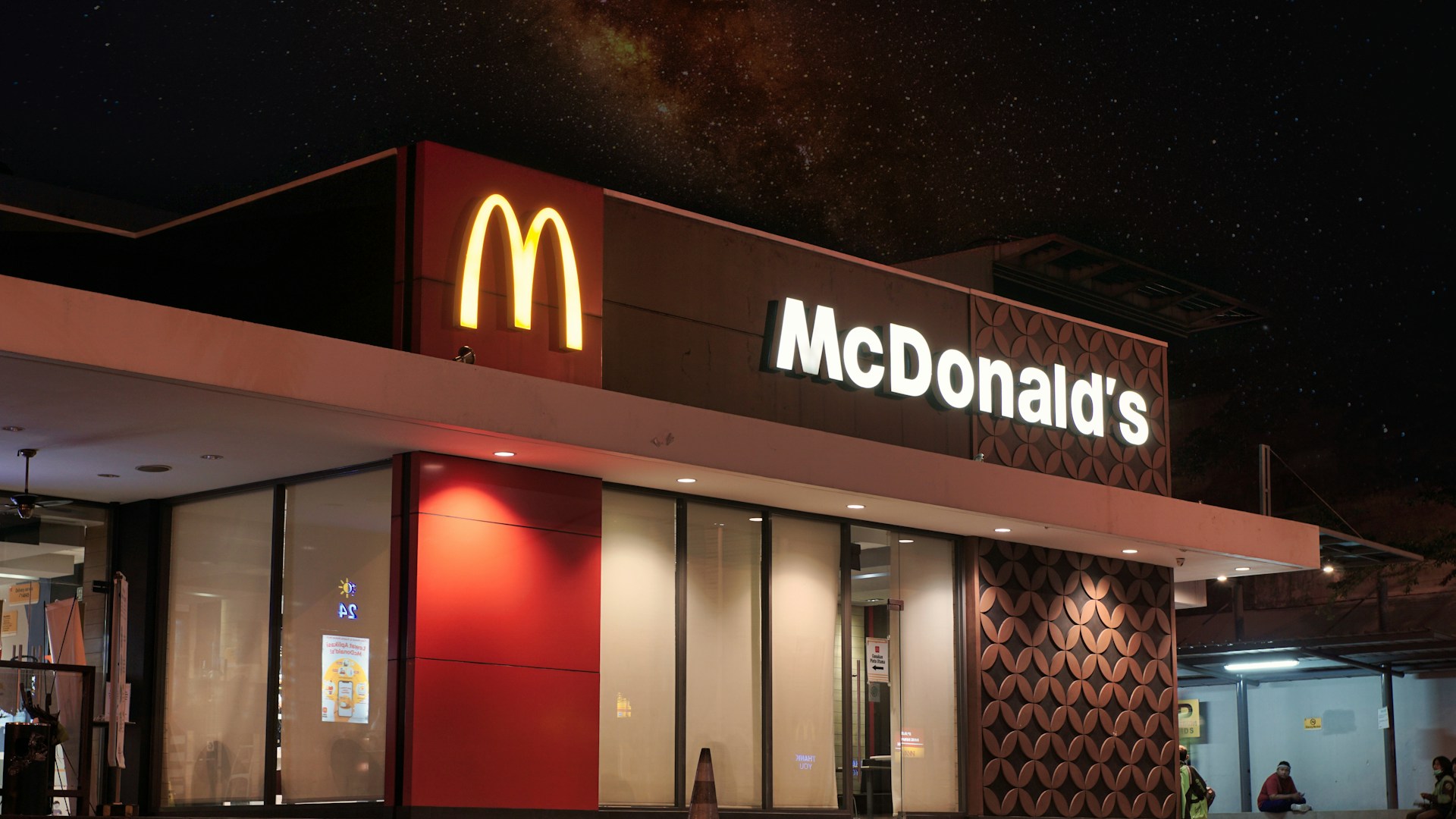
McDonald’s understands that mobile is the engine behind its loyalty program. The brand’s loyalty app reached 210 million 90-day active users across 70 global markets, up from 185 million in Q2 2025, underscoring the scale and momentum of its digital strategy.
That investment is translating into revenue impact. In 2023, McDonald’s generated $20 billion in systemwide sales from loyalty members across 50 markets. By 2025, that figure had nearly doubled.
Domino’s is seeing similar results by aligning loyalty with value-driven customer behavior. The company’s loyalty program and digital ordering experience have helped drive significant growth in carryout orders — a channel customers increasingly choose because it avoids delivery fees and provides immediate savings.
By pairing loyalty rewards with convenient digital ordering and clear cost savings, Domino’s has strengthened customer engagement while supporting one of its fastest-growing order channels.
2026 QSR Strategy
4. Forgetfulness Limits ROI
One of the study’s most revealing insights isn’t about dissatisfaction, it’s about distraction. Forty-four percent of consumers don’t use a loyalty program simply because they don’t think about it.
That means nearly half of members are leaving value on the table, not out of frustration, but out of habit. And when customers consistently fail to see or feel tangible value, disengagement follows — first in reduced usage, then in fewer visits, and eventually in full churn.
Customers identified the following as their primary reason for not participating in the loyalty program:
forget to use the loyalty program
avoid using the program for large orders
Say it requires too much planning
just consider it hassle
2026 QSR Strategy
5. AI and Personalization 'OK' if Relevant
For years marketers have worried that AI-driven personalization might feel intrusive. The data tells a slightly different story.
Sixty-one percent of consumers find AI-powered suggestions helpful, while only 20% consider them intrusive or unwelcome. In fact, 70% agree that AI is accurately learning their tastes and preferences. Consumers aren’t automatically resistant to AI — as long as it’s helpful.
It’s the same story for personalization overall. Eighty-five percent say they’re more likely to join a loyalty program that offers rewards tailored to their purchase history, yet 26% cite irrelevant offers as a primary frustration.
AI and Personalization in Loyalty Programs
Most customers welcome AI and personalization when it improves the experience — when it saves time, surfaces the best deal, and reflects what they actually like to order.
2026 QSR Strategy
6. Beware of Subscription Fatigue
The subscription model can promise predictable revenue and deeper loyalty. But consumers are re-evaluating recurring expenses, and QSR loyalty program subscriptions are no exception.
Thirty-seven percent say they are unwilling to pay for a QSR loyalty subscription, while only 28% currently do. Another 35% say they might be willing, but that willingness is conditional.
In a landscape already saturated with streaming platforms, food delivery memberships, and monthly service fees, adding another subscription requires a clear and immediate financial advantage. Without outsized, easy-to-understand value, paid tiers struggle to scale.
For many brands, strengthening the free loyalty experience may drive more sustainable long-term engagement than aggressively pushing subscription adoption.
2026 QSR Strategy
Closing Thoughts
Success in 2026 will belong to quick service restaurants that respect two things above all else: the consumer’s wallet and time.
Today diners are scrutinizing every dollar. They are choosing restaurants — and loyalty programs — based on clear, immediate financial benefit. At the same time, they are less tolerant of barriers. If savings require extra steps, planning or patience, the perceived value quickly erodes.
Successful loyalty programs:
- Make savings obvious by clearly surfacing the best available offer and reinforcing cumulative value over time
- Protect earned value by minimizing harsh expiration policies and eliminating opaque rules that erode trust
- Remove friction, especially in mobile experiences, so rewards are easy to access and effortless to redeem
- Personalize intelligently using AI-driven, purchase-history-based recommendations instead of generic promotions
- Close the forgetfulness gap with timely prompts and seamless integration into the ordering flow
- Approach subscriptions strategically, positioning paid tiers as premium value propositions — not default growth levers
These success factors are not one-time decisions or actions. They require ongoing visibility into customer sentiment and performance.
That’s where the right feedback and insight engine becomes essential.
Alchemer Helps You Do More With Feedback
The data is clear. The opportunity is real. Now the question is execution. Alchemer has the tools to help:
Digital Feedback Collection
Capture real-time feedback directly within your mobile app and in-store loyalty touchpoints — so you can identify friction in the moment and resolve it before it leads to disengagement or churn.
Listings, Reviews and Reputation Management
Customers talk publicly about loyalty experiences — from expiring rewards to app glitches to “better deals at competitors.” Monitor and respond to loyalty-specific feedback across Google, Yelp, and other platforms to protect brand perception and identify systemic program weaknesses across locations.
When 38% are willing to switch for better rewards, public perception matters.
Research Solutions
Want to run your own study to find out what customers really think about your brand? Utilize our team of experts to turn loyalty research into confident decisions and better outcomes. With full transparency and results you can access and adjust in real time, you own both the data and the insights that come from it.
Related Resources
2025 QSR Reputation Ranking Report
This year’s report ranks 26 of the nation’s top QSR brands, from Chick-fil-A to Domino’s, across food quality, customer service, and value.
Read the report

The Dunkin' Success Story
Learn how Dunkin’ leveraged Alchemer to improve their mobile app and make data-driven product decisions.
Read the report
Learn about consumer behavior and preferences related to QSR loyalty programs — specifically how these programs influence purchasing decisions, engagement frequency, perceived value, and long-term brand loyalty.